Call Us : 1300 800 564
Activate the Natural Healing Properties of Microneedling
Discover how microneedling can stimulate your body’s natural processes to encourage healthier, stronger hair growth.

What is Microneedling?
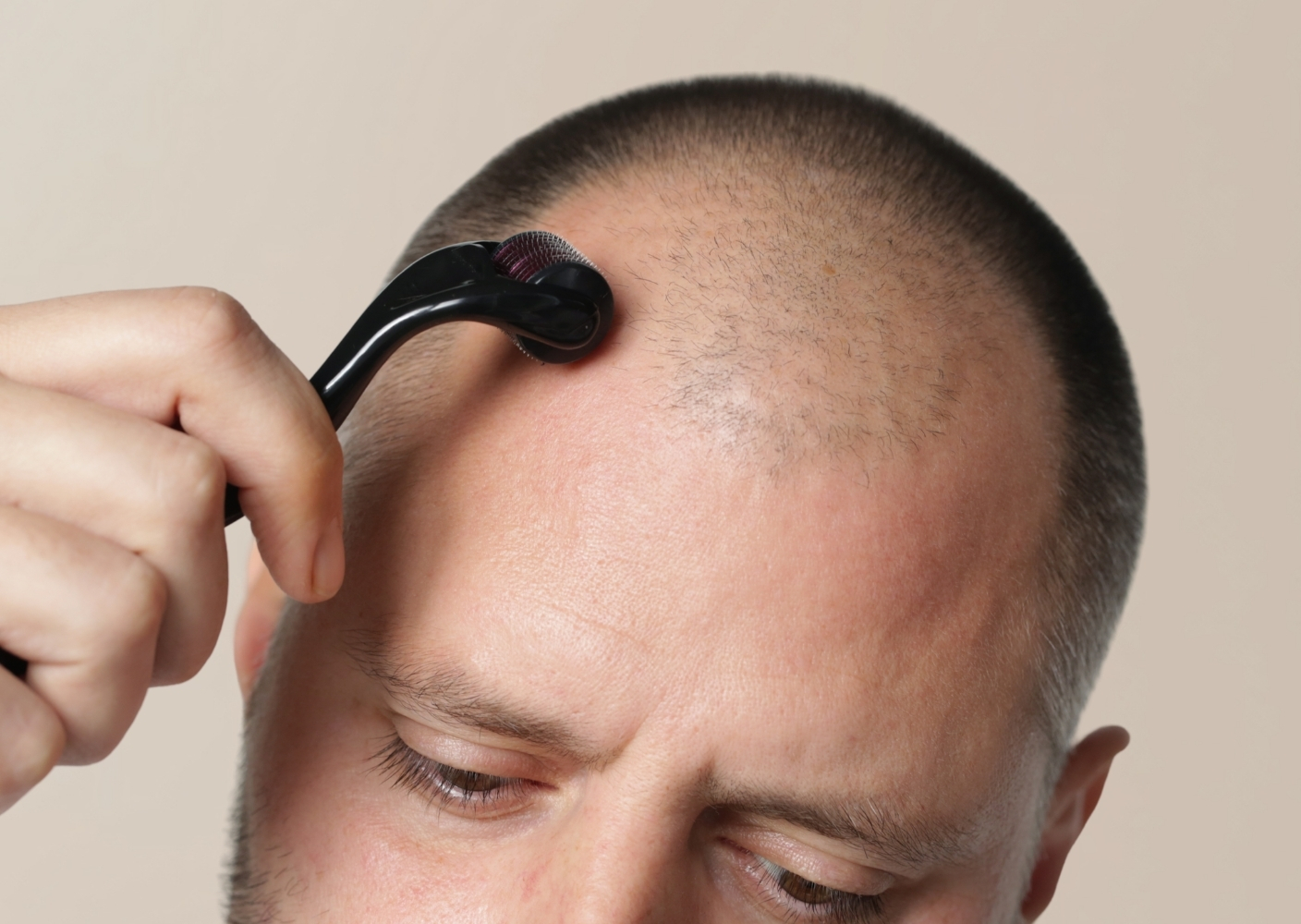
Overview of the Treatment
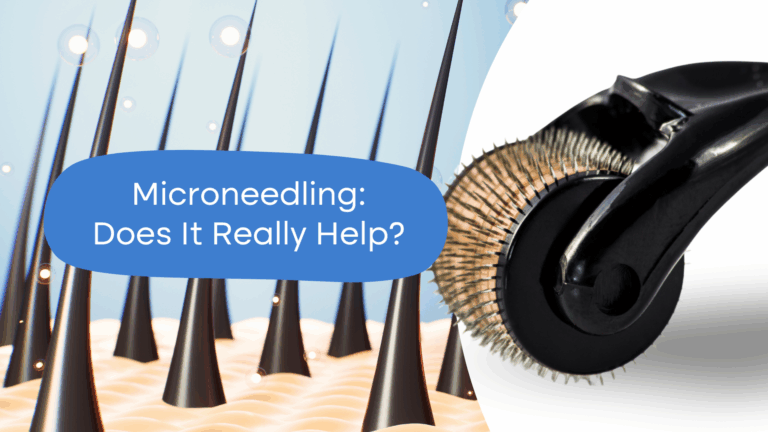
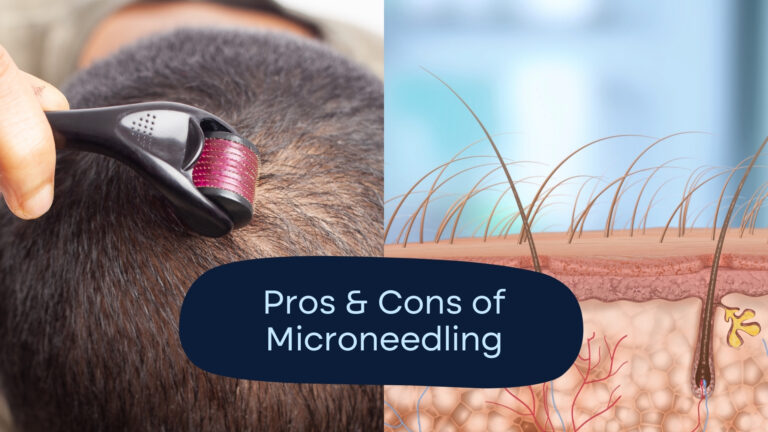
Microneedling involves creating small punctures in the epidermis (top layer) of the skin using tiny needles. This activates the natural healing properties in the skin to encourage hair regrowth. It can be used to stimulate collagen production as it fast-tracks the regenerative process in follicles just under the surface of the skin that may have become dormant.
How it Works?
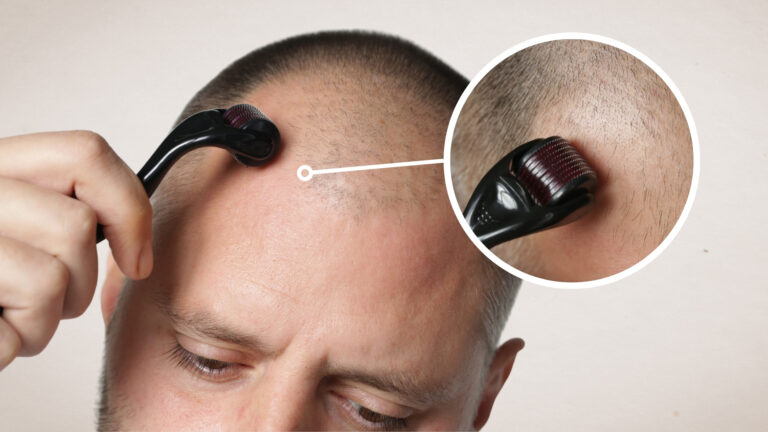
A tool called a dermaroller is used on the thinning or balding area to create micropunctures. It’s a relatively simple procedure that can be performed in a clinic or at home. Learn more.
Who It’s For?
Men and women can use microneedling devices in the treatment of hair loss, but you should seek a consultation if you have a blood disorder or active acne before starting. Learn more.
Why Choose Microneedling

Hair Growth from Dormant Follicles
As the treatment activates natural healing, it can encourage growth from dormant follicles.

Clinic and Home Treatments Available
The procedure can be performed in a clinic with specialist devices or at home.

Minimally Invasive
Microneedling is a simple procedure that has minimal risks and doesn’t have a long recovery.

High Satisfaction Rate
Studies found that patients were 75% more satisfied with their hair after microneedling.
Variety of Devices
Dermarollers and dermapens come in a wide range of designs, including combinations with radio frequencies.
Improved Overall Appearance
Results from trials found that patients saw an improvement in hair quality, thickness, and density.
How does Microneedling work?

Preparation
Whether in a clinic or at home, the hands and the workspace where the dermaroller is placed should be cleaned and disinfected.
Step 1
Takes 3 - 5 min

Disinfect Device
The dermaroller should sit in alcohol to disinfect it and then be allowed to air dry.
Step 2
Takes 5 min
Cleanse Scalp
Clean the scalp with a mild shampoo to remove any excess dirt and oils.
Step 3
Takes 15 min
Apply Dermaroller
The device is then applied with gentle pressure over the thinning or balding area.
Step 4
Takes 3 - 5 min
Combination Treatments
You may combine microneedling with another treatment like low-level laser therapy (LLLT) or a topical solution like minoxidil at this point.
Step 5
Takes 5 min
Clean Equipment
After every use, the dermaroller or dermapen needs to be cleaned and disinfected.
Step 6
Takes 15 min

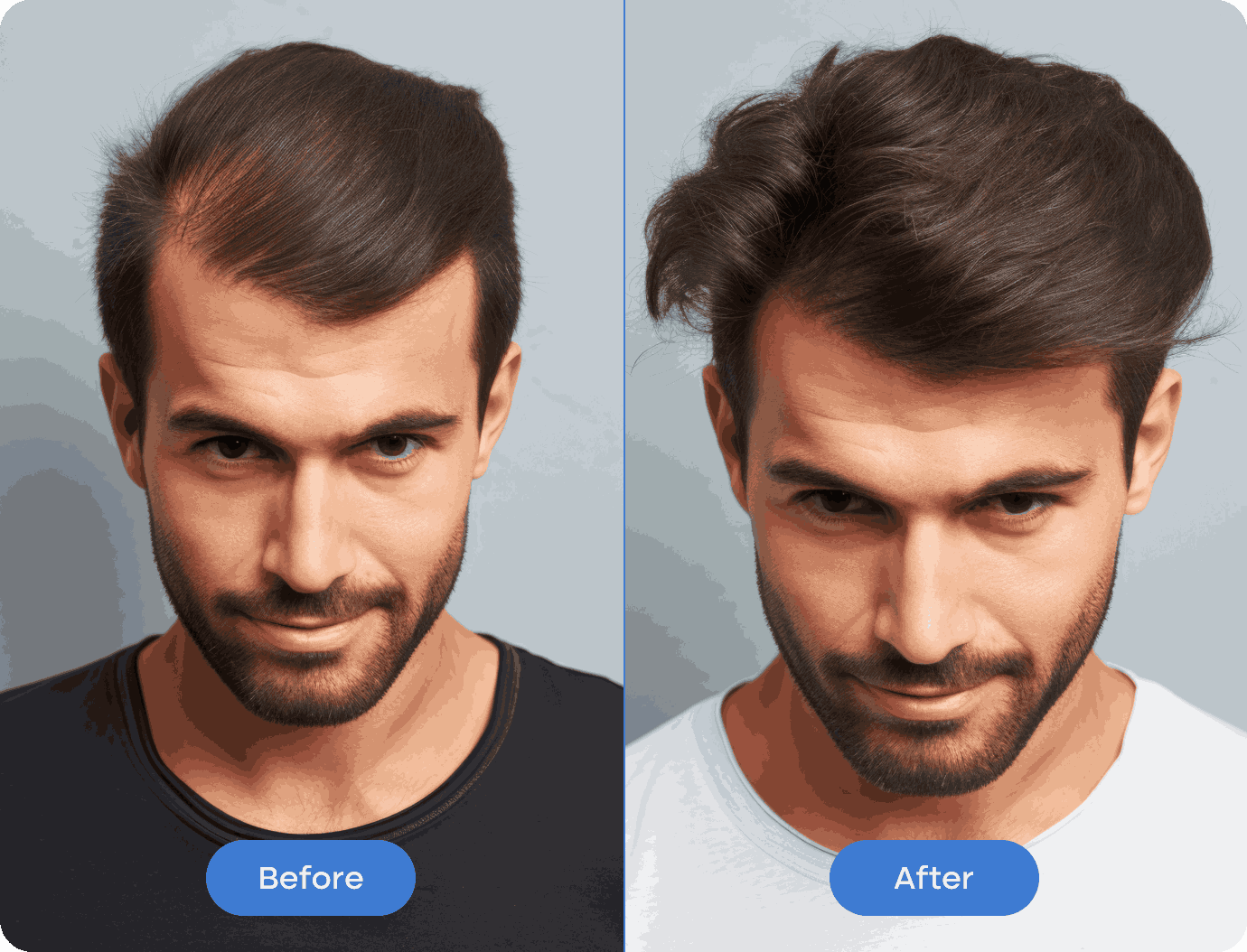
Real Results from Therapy - Before and After

With Hairy Hair it is really easy to communicate, if there are any issues there is more understanding and solutions than I've experienced previously. I'm happy with the process and journey so far.

Eaglone
With Hairy Hair it is really easy to communicate, if there are any issues there is more understanding and solutions than I've experienced previously. I'm happy with the process and journey so far.
Cam
With Hairy Hair it is really easy to communicate, if there are any issues there is more understanding and solutions than I've experienced previously. I'm happy with the process and journey so far.
Tahir
Ultimate Guide to Microneedling
Discover all the benefits of microneedling, including clinical trial results, treatment duration, and safety.
- Typical Session Price
- Application Tips
- Availability of Treatment
- Sustainability of Results
Not sure if Microneedling is right for you?
Compare with other treatments!
Microneedling vs Hair Transplant
Microneedling vs Dutasteride
PEMF vs Microneedling
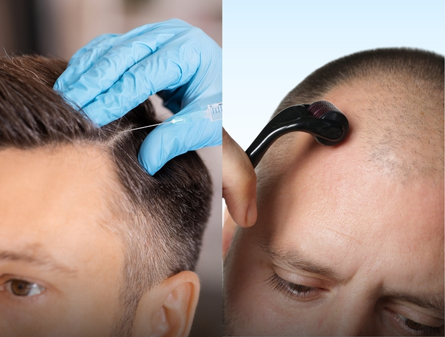
PRP vs Microneedling
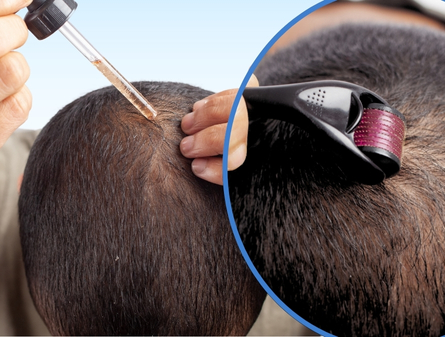
Minoxidil vs Microneedling
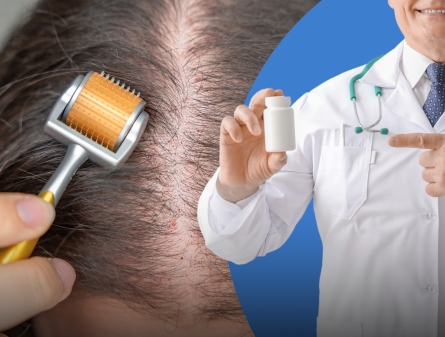
Microneedling vs Finasteride
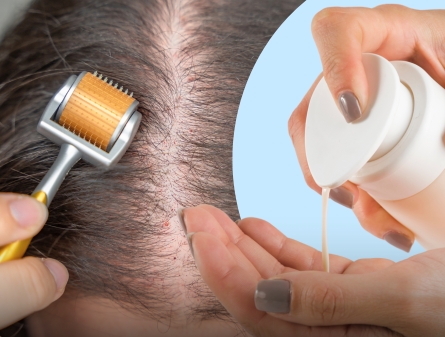
Microneedling vs Hair Loss Shampoo
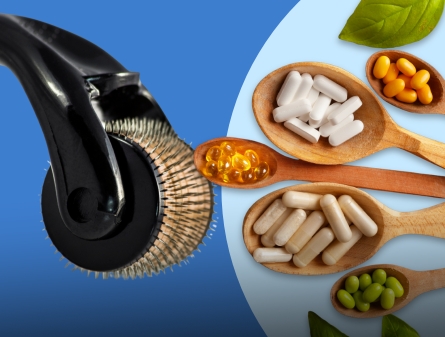
Microneedling vs Hair Vitamins
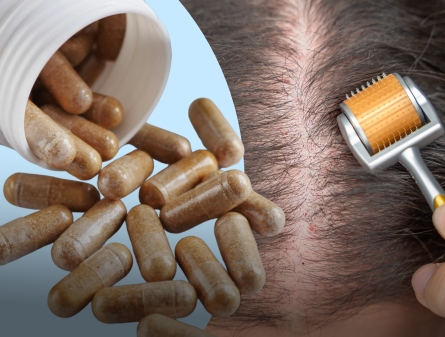
Hair Pills vs Microneedling
Laser Therapy vs Microneedling
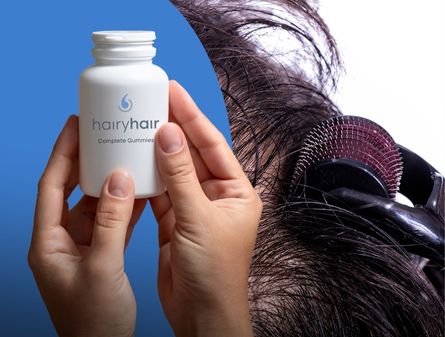
Hair Gummies vs Microneedling
Not sure if Microneedling or another treatment is right for you?
Take our quick online quiz to receive personalised hair regrowth recommendations based on your unique hair type, goals, and concerns.
Take Our QuizHelpful Resources

Loved by people
“Been using it for 3 years, and couldn’t be happier”
Thanks to the support and expert advise of Hairy Hair I have not only saved the hair I had but also reclaimed my hairline. Took about a year for me to notice regrowth but now 3 years down the track I couldn’t be happier or confident thanks to the results.

Tahir - Melbourne
“Within 2 months I saw dramatic change
Truly blown away by this product. I almost reached a stage where I thought it was time to shave it all off! I wore a cap pretty much everyday, always self-conscious without it. A good friend of mine recommended Hairy Hair, I thought “why not” I’ll do it for 6 months and see what happens. The results are astounding. Within 2 months I saw a dramatic change. I still have hairs growing that I didn’t think were going to come back. Plus, I don’t lose hair in the shower anymore!! Bring on the next few months. Thank you, Hairy Hair!

Cam - Gold Coast
“Wow, awesome product”
All I can say is WOW awesome & a product that works. I won’t use anything else. Service is excellent & can see little hairs on my head it’s truly amazing, much appreciated.

Eagleone - Brisbane
Explore our full range of hair regrowth products
Shop NowFrequently Asked Questions
Your scalp will need some time to heal after the treatment, but it shouldn’t interfere with your routine too much. A vulnerable scalp means you should avoid too much contact with the sun since UV rays can be particularly damaging. You can go back to using your normal hair care products after a day or two.
The amount of sessions you’ll need will depend on the results you’re going for and how committed you are to semi-regular treatment. Many people can see results after 3-6 months. At first you’ll need to use a dermaroller once a week for the first 2-3 months, and then you can start using it less over time to keep up the results.
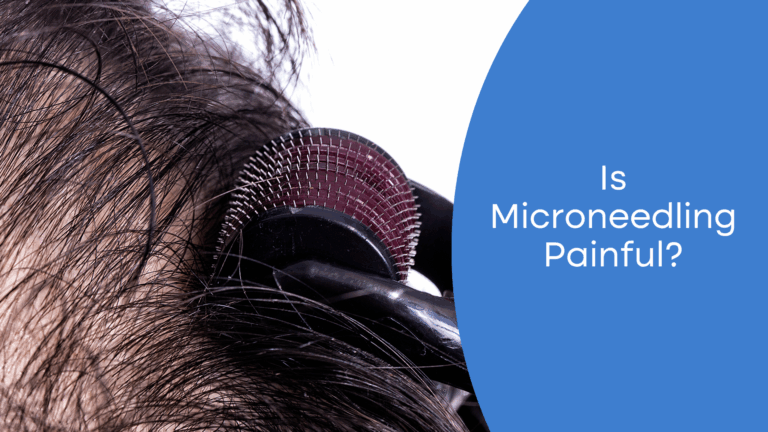
Your scalp might be sensitive to the needles used in the dermaroller as part of microneedling. These can be more likely to cause discomfort at a clinic where devices are of a higher quality and may be sharper. A numbing cream can be used to lower this discomfort, but you might still notice some redness or tenderness in the area after using the dermaroller, which is normal.
At-home dermarollers aren’t likely to cause much damage if used correctly. Clinical-grade devices have longer needles, meaning they need to be used by trained professionals. It’s important to make sure that the dermaroller is cleaned and disinfected to prevent spreading any infections on your scalp.
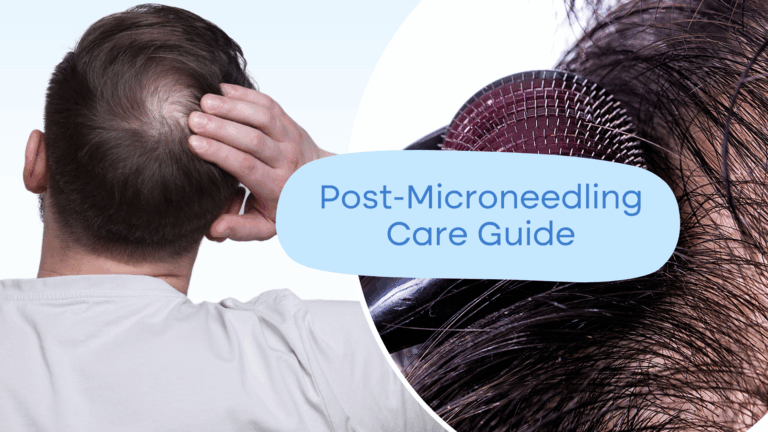
Make sure you follow the instructions from your dermatologist or from the manufacturer to make sure that your scalp is protected after using the dermaroller. Avoid the sun and don’t wash your hair straight after microneedling. The treatment can be combined with another topical solution like minoxidil or platelet-rich plasma (PRP) injections to boost hair growth potential.