Call Us : 1300 800 564
Microneedling vs Dutasteride


Microneedling


Dutasteride

Microneedling is a treatment that involves making tiny punctures in the top layer of the scalp known as the epidermis with very small needles. It is a minimally invasive treatment that can help to promote hair growth from dormant follicles.
Dutasteride is a treatment for androgenic alopecia that was originally used to treat enlarged prostates but can be prescribed off-label to treat hair loss. It is a dihydrotestosterone (DHT) blocker that helps to prevent the miniaturisation and shrinking of hair follicles.
Microneedling can be performed in a clinic or at home depending on the extent of the hair loss. Dutasteride must be prescribed and it is only approved as a hair loss treatment in Japan and South Korea so it may be hard to access. Explore the comparison table below to see if microneedling or dutasteride is the right treatment for you.


- Microneedling creates micro-injuries in the scalp to promote healing, collagen production, and hair regrowth.
- Unlike dutasteride, it works topically and doesn’t affect hormonal balance.
- Dutasteride is a prescription medication that blocks type I, II, and III 5-alpha reductase enzymes.
- Compared to microneedling, it treats hair loss internally by reducing DHT.
- Microneedling home-use tools cost around $30–$100; in-clinic sessions are pricier.
- Offers a low-cost entry point with some recurring needle replacement.
- Dutasteride costs approximately $40–$80 monthly and requires ongoing prescriptions.
- More expensive over time compared to microneedling, especially for long-term use.
- Microneedling is performed weekly or fortnightly, with results appearing within 3–6 months.
- It requires continuous effort and proper tool maintenance.
- Dutasteride is taken daily; most users see changes within 3–6 months.
- Unlike microneedling, it’s a low-effort, once-a-day routine.
- Microneedling is an external, physical method using a dermaroller or pen on the scalp.
- Encourages topical absorption and healing.
- Dutasteride is an oral medication that modifies hormonal levels.
- Compared to microneedling, it treats hair loss from within the body.
- Microneedling is generally safe but can cause redness or infection if tools aren’t properly sterilised.
- Fewer long-term risks than hormonal drugs.
- Dutasteride may lead to sexual side effects and hormonal imbalances in some users.
- Compared to microneedling, it requires more check-ups to ensure safety.
- Microneedling requires setup, sanitation, and aftercare, especially at home.
- Demands more attention than taking a pill.
- Dutasteride is easy to use—just one tablet per day.
- Unlike microneedling, there’s no preparation or physical handling involved.
- Microneedling tools are widely available online without a prescription.
- More accessible than dutasteride, especially for women.
- Dutasteride requires a prescription and is often used off-label for hair loss in Australia.
- Less accessible than microneedling due to medical regulations.
- Microneedling results are maintained with regular use.
- Results fade gradually if stopped for extended periods.
- Dutasteride sustains hair growth while taken, but hair loss resumes when discontinued.
- Compared to microneedling, results can reverse after stopping.
- Microneedling enhances the absorption of minoxidil and other topicals.
- Often paired with topical and oral treatments for a combination approach.
- Dutasteride can be combined with topical minoxidil or microneedling for a well-rounded treatment.
- Unlike microneedling, it targets internal causes while other treatments act externally.
- Microneedling appeals to users seeking a non-drug, hands-on method.
- Viewed as natural by stimulating the body’s healing properties.
- Dutasteride attracts users looking for robust, low-effort hormonal regulation.
- Compared to microneedling, it offers more convenience and less physical effort.
- Microneedling supports scalp health, boosts collagen, and improves skin texture.
- Offers cosmetic and dermatological benefits beyond hair growth.
- Dutasteride reduces DHT but has no direct impact on scalp health or skin.
- Unlike microneedling, it is limited to countering the effects of hormonal hair loss.
- Microneedling tools are reusable but create occasional waste from replacement heads.
- More sustainable than continuous medication packaging.
- Dutasteride produces consistent waste from monthly packaging and prescriptions.
- Compared to microneedling, it generates a more long-term environmental impact.
Shop our hair solutions
We are committed to providing affordable hair regeneration services for people all over Australia. Our formula can help you regain your confidence.
Shop Now

Comparison Summary: Microneedling vs Dutasteride Treatment
Microneedling is a relatively new treatment in the dermatology field so further research may be required to see how effective it is to treat hair loss. Initial results from studies appear to be positive but it may need to be combined with another treatment like platelet-rich plasma (PRP) injections or a topical hair growth solution like minoxidil to be effective.
Dutasteride is a more potent DHT blocker than comparative medications like finasteride and results have been positive. It is recommended for people who have tried finasteride and have not seen results as it targets all three types of isoenzymes responsible for the conversion of testosterone into DHT while finasteride can only target two.
Microneedling sessions can be costly as they are required regularly at first and necessitate top-up sessions to maintain results. At-home devices can be purchased but may not work for more advanced forms of hair loss.
Dutasteride pills can range vastly in price and are typically more expensive than finasteride. This cost should be considered before beginning treatment as dutasteride is designed to be used on a long-term basis.
User Guidance
Microneedling may be suitable if you are looking for short-term results to recover hair in the early stage of hair loss. Dutasteride is better as a long-term treatment and consistency is key to achieving results as a certain amount of the chemical needs to be present in the body to see hair growth.
If the medication is stopped the hair growth gained will reverse. Microneedling can come with some minor side effects including redness, mild swelling, and flaking. If performed at home there is a risk of aggravating the scalp if the equipment is not properly disinfected and careless application can cause damage to the treatment area.
Dutasteride can have side effects relating to sexual function including a decreased libido, ejaculation issues, and impotence.
Take Our Hair Loss Quiz to See Which Treatment Suits You?
Take A Hair Quiz

Frequently Asked Questions
Microneedling uses tiny needles to create micro-injuries in the scalp, which stimulates the skin’s natural healing process and can reactivate dormant hair follicles. Dutasteride is an oral medication that blocks the hormone DHT, which is responsible for shrinking hair follicles in androgenetic alopecia, helping to prevent further hair loss and promote regrowth.
Dutasteride is generally considered more potent for treating androgenetic alopecia, especially in those who have not responded to other medications. Microneedling can be effective, particularly when combined with treatments like minoxidil or topical dutasteride, but may require ongoing sessions and is often best for early-stage or mild hair loss.
Yes, combining microneedling with dutasteride or other topical treatments can enhance results. Microneedling increases the absorption of topical products and can help stimulate hair growth, while dutasteride works internally to reduce DHT and preserve hair.
Microneedling may cause short-term redness, swelling, and flaking, and improper use can lead to infection or irritation. Dutasteride can cause side effects such as reduced libido, erectile dysfunction, and breast tenderness. Both treatments are generally well tolerated when used correctly, but dutasteride requires medical supervision.
Microneedling may show visible improvements in hair growth within three to six months, especially when combined with other treatments. Dutasteride can also produce results in three to six months, but consistent long-term use is necessary to maintain benefits.
Dutasteride is easier to use, as it involves taking a daily tablet. Microneedling requires regular sessions, careful technique, and tool sterilisation, making it more time-consuming and hands-on.
Microneedling is suitable for people with early-stage hair loss, those who prefer non-drug treatments, or those looking to enhance the effects of topical products. Dutasteride is recommended for individuals with moderate to advanced androgenetic alopecia who have not responded to other medications.
Results from both treatments require ongoing maintenance. Stopping dutasteride usually leads to renewed hair loss, while the benefits of microneedling fade if sessions are discontinued. Regular, consistent use is key to sustaining improvements with either approach.
Other Comparisons
See All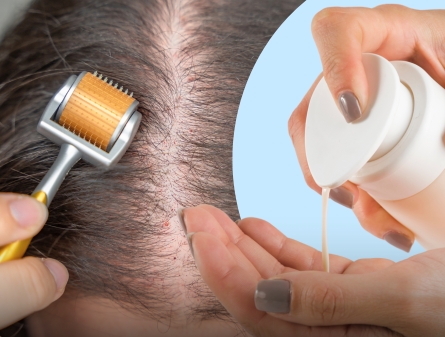
Microneedling vs Hair Loss Shampoo
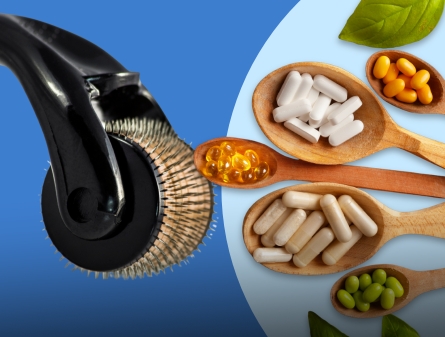
Microneedling vs Hair Vitamins
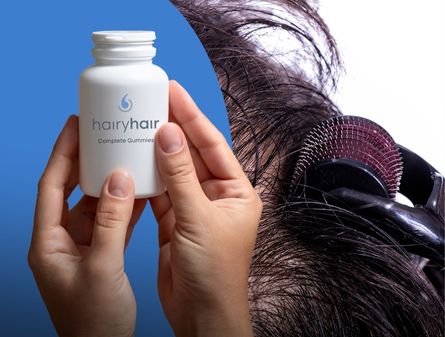
Hair Gummies vs Microneedling
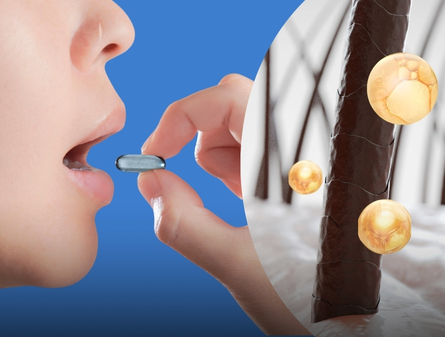
Dutasteride vs Hair Vitamins
Dutasteride vs Hair Loss Shampoo

Hair Gummies vs Dutasteride