Call Us : 1300 800 564
Hair Pills vs Microneedling


Hair Pills


Microneedling

Hair pills tackle hair shedding, promote regrowth, and boost hair health. As a daily oral treatment, they offer a convenient and practical approach to hair loss with various ingredients. They work to widen blood vessels in the scalp for improved nutrient delivery, block DHT production, prevent inflammation, and increase nutrients. Understanding what microneedling is is important, as it relies on a device to physically stimulate hair follicles.
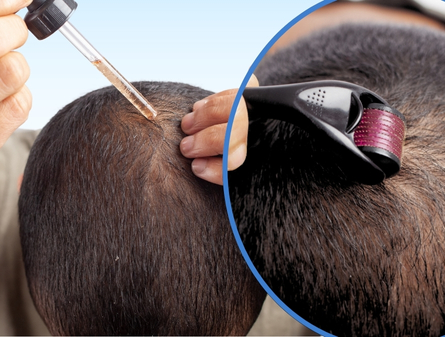
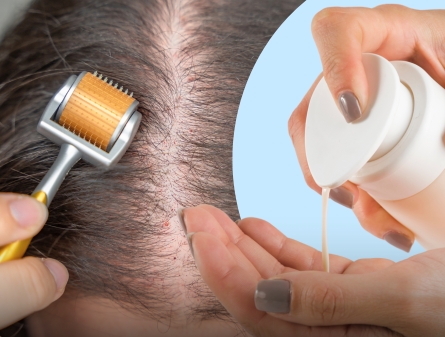
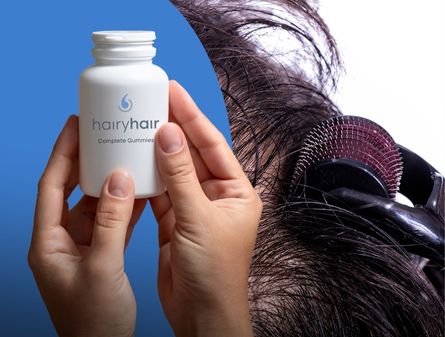
Microneedling is a treatment that uses very small needles on a device called a derma roller to create mini punctures on the top layer of the skin, called the epidermis. Microneedling benefits include encouraging hair growth from dormant follicles by stimulating collagen production. Microneedling is available at home or in a clinic. Hair pills work internally through chemical changes to combat hair loss.
Hair pills provide a simple once-a-day treatment that doesn’t impact busy schedules, while micro needling requires physical intervention but doesn’t come with potential systemic reactions. The comparison table below reveals the differences between the treatments.


- Hair pills aim to block DHT production, improve nutrient delivery and prevent inflammation through a range of ingredients.
- Hair pills create a chemical change to support the health of your hair follicles.
- Hair pills have to be used on a daily basis to be effective.
- Appeal to users who want a daily medication that doesn’t take much effort to incorporate into routines.
- Hair pills have the potential for side effects in a small percentage of people, but dosages can be altered to combat this.
- Microneedling creates micro-injuries on the scalp, encouraging growth thanks to the body’s natural healing properties.
- Compared to hair pills, it works externally and doesn’t interact with hormones.
- At-home derma rollers can cost between $40 and $100, while clinic sessions can vary in price.
- Used weekly or fortnightly with results seen after 3-6 months.
- Requires maintenance sessions to keep up results.
- Hair pills are offered at an initial 3-month supply before becoming a recurring monthly charge.
- Compared to microneedling, it may be more expensive over time, but it is a long-term investment in your hair loss.
- Microneedling devices can cost $30-$100 at home, while clinic sessions can be more expensive.
- It can be a more budget-friendly option, but it may not provide the desired results.
- Hair pills are meant to be taken daily to achieve and maintain results.
- Compared to microneedling, it must be taken more regularly to see changes.
- Microneedling is used weekly or fortnightly; results can be seen after around 3-6 months.
- Requires maintenance sessions to upkeep results.
- Hair pills lower DHT levels, promote nutrient delivery to hair follicles and reduce scalp inflammation.
- Compared to microneedling, it works through internal chemical changes.
- Microneedling is administered physically through a derma roller or pen on the scalp surface.
- Promotes healing and collagen production and can help absorb topicals better.
- Hair pills have a small chance of causing side effects that can lead to irritation.
- In contrast to microneedling, side effects can be tackled by adjusting the formula.
- Microneedling is generally safe when performed correctly, but there is a risk of infection or irritation.
- Side effects are minor if the derma roller or pen is properly cleaned and sanitised.
- Hair pills offer a convenient daily treatment that can easily be integrated into a busy life.
- Compared to microneedling, it doesn’t take up as much time and doesn’t require specific tools.
- Microneedling requires time and care to be used effectively.
- Less convenient than taking a daily pill.
- Hair pills can be accessed through an online subscription service with a prescription.
- Compared to microneedling, it does require doctor consultation, but doesn’t necessitate in-person visits.
- Microneedling is widely available with no prescription needed.
- Not all clinics will offer in-person treatment, and you may need to do some research to find a good quality device within your budget.
- Results are sustained as long as you maintain use.
- Stopping treatment can cause a noticeable reversal of results.
- Microneedling results can be sustained with continuous use.
- Benefits can gradually decrease if maintenance sessions aren’t kept up.
- Hair pills may not require additional treatments because of the ingredients used.
- Tackles a range of hair loss issues simultaneously.
- Can improve the absorption of minoxidil and complement other treatments like microneedling with PRP.
- Can be used as part of a combination routine, with innovations like radio frequency (RF) microneedling.
- Appeals to people wanting a simple and clinically based solution
- Compared to microneedling, it involves less user effort.
- Appeals to those who want a hands-on and drug-free treatment.
- Uses the body’s natural healing properties for improvement.
- Targets DHT, improves nutrient delivery on the scalp and reduces inflammation.
- Unlike microneedling, it doesn’t improve the health of your skin overall.
- Improves skin texture and scalp health while promoting hair growth.
- Has broader dermatological benefits.
- Creates ongoing packaging waste from prescriptions.
- Has a potentially larger environmental footprint.
- Dermaroller can be reused, but clinical needles are often replaced.
- Less waste is created than in monthly medication packaging and production.
Shop our hair solutions
We are committed to providing affordable hair regeneration services for people all over Australia. Our formula can help you regain your confidence.
Shop Now

Comparison Summary: Hair Pill vs Microneedling For Hair Loss
Hair pills provide a comprehensive approach to hair loss. They use a combination of effective ingredients to create internal change. The ingredients have been well researched over decades for their use as a long-term treatment.
Microneedling before and after results have been shown to be applicable for a range of hair loss conditions, from pattern hair loss treatment to alopecia areata (immune system hair loss). However, microneedling sessions can be expensive over time, as 1-2 treatments per week are needed for the first 3-4 months, followed by maintenance sessions if done in a clinic.
Hair pills may offer a cheaper solution in the long term that uses natural and pharmacological ingredients to tackle hair loss from different causes. Lower microneedling costs are available with the purchase of at-home devices. Still, they will not be as effective as clinical-grade devices and present a risk of infection if they aren’t properly cleaned and disinfected or if too much pressure is applied during application.
User Guidance
Hair pills can lead to an adverse reaction in some users, but there is a low chance of this happening. Hair pills can be adjusted to suit your needs to tackle any potential negative side effects while offering treatment benefits.
Microneedling may not be as effective when used alone, whereas hair pills can work well as a primary treatment. Although microneedling can have positive results as a monotherapy, it works best in combination with other topicals like minoxidil spray or PRP injections.
Hair pills can be accessed through an online subscription but require a consultation due to the ingredients used. Microneedling devices can be bought for at-home use, but some research may be necessary since many devices available aren’t approved for use by regulatory bodies like the TGA, and microneedling aftercare needs to be observed.
Take Our Hair Loss Quiz to See Which Treatment Suits You?
Take A Hair Quiz

Frequently Asked Questions
Hair pills are oral supplements that may contain a blend of vitamins, minerals, and active ingredients to support hair health and regrowth from within. Microneedling is a minimally invasive procedure using tiny needles to create micro-injuries in the scalp, which can stimulate hair follicles and promote new growth.
Microneedling is generally more effective for stimulating new hair growth, especially for people with pattern hair loss or thinning. Hair pills may help improve hair quality, particularly in those with nutritional deficiencies, but are less likely to regrow hair in areas of significant loss.
Microneedling typically shows results within three to six months, with several sessions needed for best outcomes. Hair pills may take a similar timeframe to improve hair quality, but results are usually less dramatic unless the pills contain strong actives.
Hair pills are taken daily at home and may require a prescription depending on the formulation. Microneedling is performed in a clinic or at home with a special device, involving multiple sessions where tiny needles are rolled or stamped over the scalp, followed by aftercare.
Hair pills are generally safe but can cause mild digestive upset or allergic reactions depending on the ingredients. Microneedling may cause temporary redness, swelling, or discomfort on the scalp, and there is a small risk of infection if not performed correctly.
Hair pills are very convenient, requiring only a daily dose. Microneedling is less convenient, as it involves regular sessions, either at home or in a clinic, and some aftercare to ensure the scalp heals properly.
Microneedling results can last several months, but maintenance sessions are often recommended. Hair pills require ongoing use, and any benefits may diminish if supplementation stops.
Hair pills may benefit those with mild thinning due to nutritional gaps or those seeking a non-invasive, easy-to-use supplement. Microneedling is better suited for people with more noticeable thinning or those looking for a procedure that directly stimulates hair follicles.
Hair pills are typically more affordable and purchased as a regular supplement. Microneedling involves the cost of each session or device, making it a higher upfront investment, especially if done in a clinic.
Yes, many people combine both treatments to support hair health from different angles. Taking supplements alongside microneedling may help optimise results, but always consult your healthcare provider for personalised advice.
Other Comparisons
See All
Hair Pills vs Hair Gummies

Hair Pills vs Hair Loss Shampoo

Hair Pills vs Hair Vitamins
Microneedling vs Hair Loss Shampoo

Microneedling vs Hair Vitamins
Hair Gummies vs Microneedling