

 Call Us : 1300 800 564
PEMF vs Hair Loss Shampoo


PEMF


Hair Loss Shampoo

Pulsed Electromagnetic Field (PEMF) therapy uses low-frequency electromagnetic fields to stimulate healing in tissues. It can help by extending the growth phase of the hair growth cycle which prevents the shedding of hair. Hair loss shampoo has the potential to help regrow your hair.
Depending on the formulation, the ingredients in hair loss shampoos are designed to help encourage growth in your hair through anti-DHT properties or blood flow stimulation. PEMF is a non-invasive topical treatment that can be done in a clinic or with an at-home device.
Hair loss shampoo is a topical treatment that should be applied regularly to see results but its effectiveness can depend on the quality and the type of hair loss you are tackling. Explore the comparison table below to see if PEMF or hair loss shampoo are the right choice for you.


- PEMF therapy uses pulsed electromagnetic waves to stimulate scalp cells, increase circulation, and maintain healthy follicles.
- It is a device-based and non-invasive treatment that causes physical stimulation of resting follicles.
- Compared to using hair loss shampoo topically, PEMF works deeper in the scalp tissue.
- Hair loss shampoo aims to cleanse the scalp and supply surface agents like caffeine or biotin.
- It encourages sanitation of the scalp and reduces shedding, but it works externally.
- In contrast to PEMF, hair loss shampoo doesn’t penetrate as deeply and may only provide temporary benefits given the short contact time.
- PEMF is an investment in a machine, which, although initially expensive, is cost-effective in the long term.
- Ultimately, it can be cheaper than continuously buying shampoo products.
- Although hair loss shampoo has a lower initial cost, it requires ongoing purchases and may become costlier than PEMF in the long run.
- Hair loss shampoos cost less per unit, but continuous purchases cost more over time than a PEMF device.
- PEMF treatments typically take 15–30 minutes and are performed several times weekly. They require consistent long-term use to maintain results.
- While this commitment is significant, the device provides deeper stimulation.
- Hair loss shampoo is quicker to use and fits perfectly into daily lifestyles.
- However, unlike PEMF, it does not have the depth of follicular activation and might not produce noticeable improvements unless combined with other treatments.
- PEMF emits electromagnetic fields that improve cellular regeneration and scalp microcirculation.
- PEMF’s deeper mechanism may lead to stronger results in follicle activation. This makes it more effective for those needing a deeper therapeutic impact.
- While hair loss shampoo can support scalp health at the surface, it does not offer the same degree of biological stimulation as PEMF.
- Hair loss shampoo delivers active ingredients externally through scalp contact, which may help maintain a clean environment, but does not stimulate cells similarly.
- PEMF is considered very safe with no known systemic or local side effects when used correctly. It doesn’t involve chemical ingredients or preservatives.
- PEMF may offer a safer and more comfortable alternative for users with sensitive skin.
- Compared to PEMF’s gentle and noninvasive nature, hair loss shampoos carry a higher chance of allergic reactions or dryness due to chemical exposure.
- Some hair loss shampoos may contain ingredients that irritate sensitive scalps, such as sulphates or fragrances, making them unsuitable for everyone.
- PEMF requires scheduled sessions with a dedicated device, which may not suit users with tight schedules.
- However, it allows targeted treatment with visible engagement.
- Comparatively, PEMF offers more involved and interactive methods with more upkeep.
- While PEMF depends on a time commitment and a device, hair loss shampoo is easy to use during showers on a daily basis.
- Hair loss shampoo can appeal more to users seeking an easy addition to simple routines.
- PEMF machines are typically purchased online or in specialised clinics
- They may require research and financial investment.
- With extensive and convenient availability, hair loss shampoos are readily available in pharmacies, supermarkets, and online.
- Lower financial investment and potentially less research required.
- PEMF can yield sustainable results with regular, long-term use, and its benefits diminish gradually if discontinued.
- Compared to shampoo, PEMF shows greater sustainability, with effects persisting longer after usage.
- In contrast, the effects of hair loss shampoo tend to be subtle and rely heavily on daily application.
- Hair loss shampoo provides surface-level maintenance, while PEMF reinforces follicle health more fundamentally, supporting regrowth.
- PEMF works synergistically with treatments like minoxidil or microneedling by enhancing blood flow and follicular activity.
- Compared to hair loss shampoo, PEMF plays a more active support role in combination routines.
- Hair loss shampoo also complements other treatments by keeping the scalp clean, but it doesn’t work as actively as PEMF.
- Hair loss shampoos can be used alongside minoxidil or finasteride to create an all-around treatment.
- PEMF offers a tech-based, hands-on experience that appeals to users interested in physical, drug-free treatments.
- Users who want a high-tech and visibly proactive approach are drawn to PEMF.
- Hair loss shampoo appeals to users seeking convenience and simplicity without committing time to a device.
- If you prioritise ease and routine compatibility, you are more likely to align with shampoo-based solutions.
- PEMF boosts scalp circulation, reduces inflammation, and encourages regeneration at a cellular level.
- These health benefits go beyond hair growth, improving overall scalp condition.
- Hair loss shampoo improves cleanliness, reduces itchiness, and can slightly lower surface DHT, but does not enhance cellular health.
- PEMF devices are reusable for years and produce minimal waste, only using electricity.
- PEMF is the more sustainable solution due to its longevity and reduced material waste.
- Hair loss shampoo generates consistent packaging waste due to monthly bottle use and often contains non-biodegradable ingredients, adding to landfills.
Shop our hair solutions
We are committed to providing affordable hair regeneration services for people all over Australia. Our formula can help you regain your confidence.
Shop Now

Comparison Summary: PEMF vs Shampoo Hair Regrowth
PEMF therapy effectiveness can depend on the hair growth cycle of the individual with results typically being observed after 3-4 months. You can usually notice a boost in hair growth and a reduction in hair shedding.
Results can vary vastly depending on the quality of hair loss shampoo you use. For best results, you should know the cause of your hair loss and what active ingredients will be the most effective for stimulating growth and reducing shedding.
PEMF therapy sessions can be costly if you are visiting a clinic as they need to be performed once or twice a week initially before reducing frequency. Hair loss shampoo is comparatively cheaper but the effectiveness can vary based on a range of factors.
An at-home PEMF device can be a good investment in the long term but needs to be used daily and is not widely available yet. Furthermore, an at-home PEMF device will not be as powerful as a clinical-grade one.
User Guidance
PEMF treatments are considered to be safe with no side effects having been reported when used for treating hair loss. If combined with other treatments like topical solutions, you will still experience the side effects related to those medications.
Hair loss shampoos can cause side effects depending on the ingredients. Some harmful endocrine disruptors can have an impact on estrogen and testosterone levels. Certain hair loss shampoo formulations can cause initial hair loss, irritation, hair texture changes, itching, and burning.
PEMF therapy devices or clinics that support the treatment may be difficult to find considering it is a relatively new treatment. Hair loss shampoos are more widely available but it may require some research to find the right product for your hair type.
Take Our Hair Loss Quiz to See Which Treatment Suits You?
Take A Hair Quiz

Frequently Asked Questions
PEMF therapy is a device-based, non-invasive treatment that stimulates the scalp at a deeper level, supporting follicle health and prolonging the hair growth phase. It is ideal if you are looking for a technology-driven solution with no reported side effects. Hair loss shampoo is a more accessible and convenient option for daily use, helping to cleanse the scalp and deliver ingredients that may reduce shedding and support hair health. For best results, consider the stage and cause of your hair loss and whether you prefer a hands-on device or a simple addition to your routine.
PEMF therapy typically shows results after three to four months, with users noticing a boost in hair growth and reduced shedding. Hair loss shampoos may take longer to show visible changes and results can vary depending on the active ingredients and how consistently you use the product.
PEMF therapy is considered very safe, with no known side effects reported when used for hair loss. Hair loss shampoos are generally well tolerated, but some formulations can cause irritation, dryness, or allergic reactions, especially if you have a sensitive scalp or overuse the product.
Yes, PEMF therapy can be combined with hair loss shampoo for a more comprehensive approach. Using both may help address hair loss from different angles, with PEMF supporting deeper follicle health and shampoo maintaining scalp cleanliness and delivering beneficial ingredients.
Choose a PEMF device from a reputable manufacturer with positive reviews. Consider ease of use, recommended treatment times, and whether the device is suitable for home use or requires clinic visits. Consulting your doctor before starting PEMF therapy is also a good idea.
Look for shampoos with clinically supported ingredients such as ketoconazole, caffeine, or saw palmetto, which can help block DHT or improve scalp blood flow. Choose a product suited to your hair type and specific hair loss concerns, and check for any potential allergens if you have sensitive skin.
PEMF devices are a larger upfront investment but can be cost-effective over time, especially if used regularly at home. Hair loss shampoos are less expensive per purchase but require ongoing buying, which can add up in the long term.
Both treatments require ongoing use to maintain benefits. If you stop using PEMF or hair loss shampoo, any improvements in hair growth or scalp health are likely to diminish gradually, so consistency is important for sustained results.
Other Comparisons
See All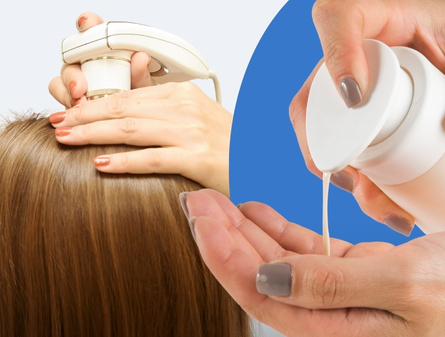
PEMF vs Hair Loss Shampoo

PEMF vs Hair Vitamins

Hair Pills vs PEMF
Hair Gummies vs PEMF

Hair Transplant vs Hair Loss Shampoo

Hair Gummies vs Hair Loss Shampoo


