

 Call Us : 1300 800 564
Discover the Benefits of Laser Therapy for Hair Growth
Explore how gentle, low-level laser technology can help revitalise your hair.

What is Laser Therapy?

Overview of the Treatment
Low-level laser therapy (LLLT) uses wavelengths of light in the near-infrared spectrum to stimulate cell activity. Compared to laser therapy for hair removal or surgical procedures, the energy density of LLLT is much lower. Since it doesn’t heat the skin tissue, it’s also known as cooled laser therapy.
How it Works?
Low-level laser therapy (LLLT) is applied with a device like a cap or a comb and works to encourage cell activity through specific wavelengths of light. Learn more.
Who It’s For?
LLLT can be used by a wide range of people who are suffering from hereditary baldness or hair loss due to genetics, but it is not recommended if you have light sensitivities. Learn more.
Why Choose LLLT
Low Chance of Side Effects
Most patients don’t report any side effects from using LLLT devices.

Scientific Backing
One study found that LLLT increased hair count by 39%.

Versatile Treatment
LLLT can be done clinically or at home, depending on your hair loss.

Wide Range of Benefits
LLLT increases collagen and elastin production, reduces inflammation and improves blood flow.
Non-Intrusive
Treatment is easy to incorporate into your routine with laser hats and combs available.
Extensive Availability
A wide range of clinics provide LLLT, and there are lots of devices available.
How does LLLT work?
Consultation
Meet with a dermatologist or trichologist before starting the treatment in a clinic or at home.
Step 1
Takes 3 - 5 min
Research
You need to decide whether to buy an at-home device or attend a clinic for treatment.
Step 2
Takes 5 min
Application
Place the device on the thinning or balding area. This can be a helmet in a clinic or a hat or comb at home.
Step 3
Takes 15 min
Wait
Clinical sessions are usually shorter (10-15 minutes) than at-home devices (20-40 minutes) as they are more powerful.
Step 4
Takes 3 - 5 min
Repeat
LLLT sessions need to be kept up for the best results; clinical treatments are 2-3 times per week to start, and at-home devices should be used daily.
Step 5
Takes 5 min
Exercise
You may get better results from LLLT by doing regular exercise to increase blood flow throughout the body.
Step 6
Takes 15 min

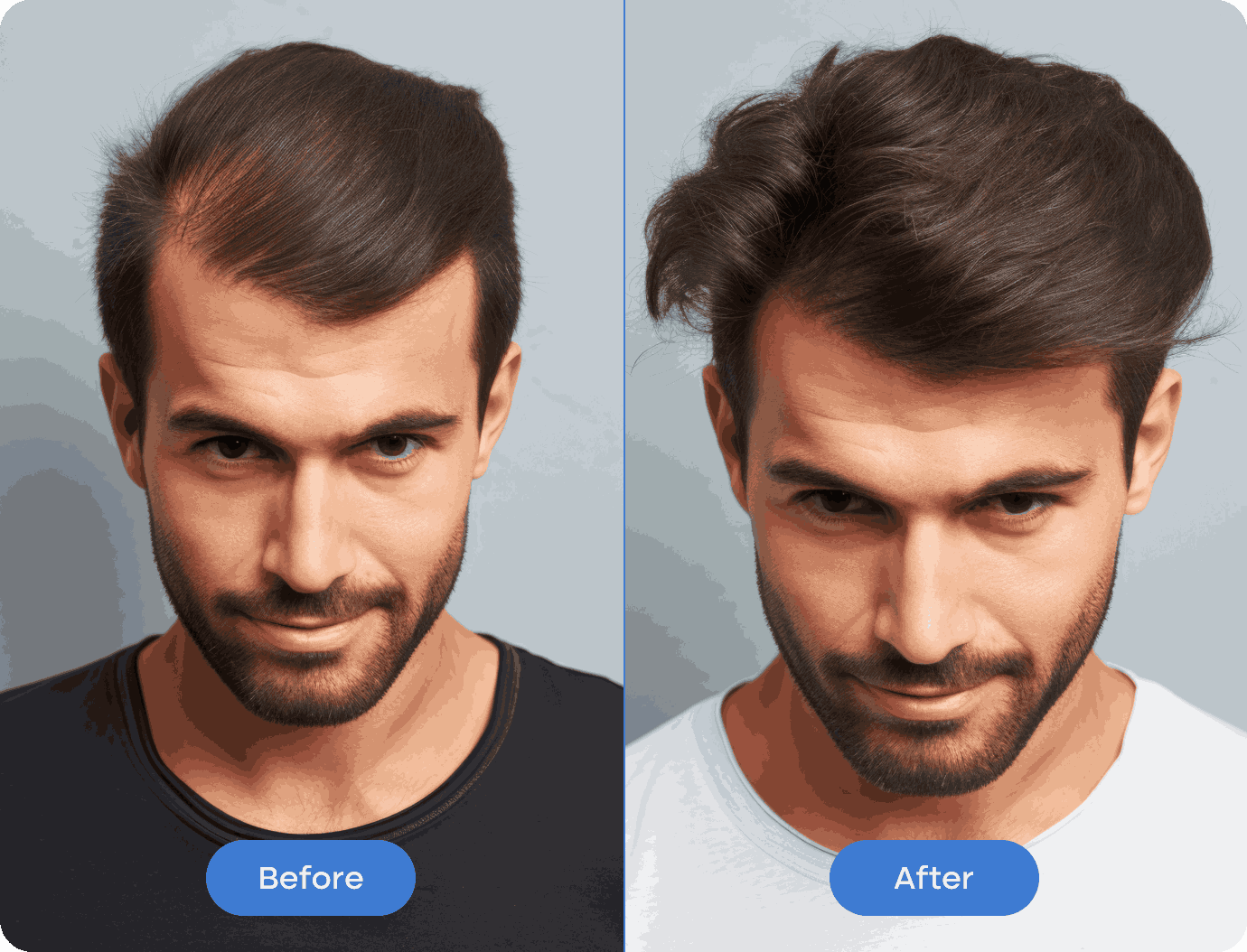
Real Results from Therapy - Before and After

With Hairy Hair it is really easy to communicate, if there are any issues there is more understanding and solutions than I've experienced previously. I'm happy with the process and journey so far.

Eagleone
With Hairy Hair it is really easy to communicate, if there are any issues there is more understanding and solutions than I've experienced previously. I'm happy with the process and journey so far.
Cam
With Hairy Hair it is really easy to communicate, if there are any issues there is more understanding and solutions than I've experienced previously. I'm happy with the process and journey so far.
Tahir
Ultimate Guide to LLLT
Discover all of the benefits of LLLT, including clinical trial results, sustainability of results and safety.
- Average Session Costs
- Duration of Treatment
- Ease of Use
- Device Accessibility
Not sure if LLLT is right for you?
Compare with other treatments!
Laser Therapy vs Hair Transplant
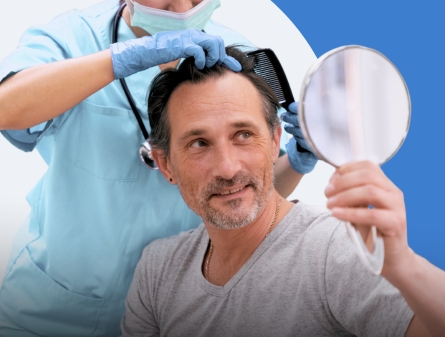
Laser Therapy vs Microneedling
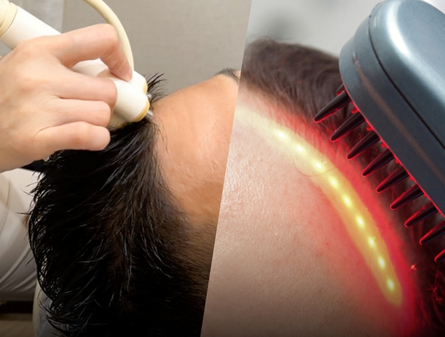
PEMF vs Laser Therapy

Hair Gummies vs Laser Therapy
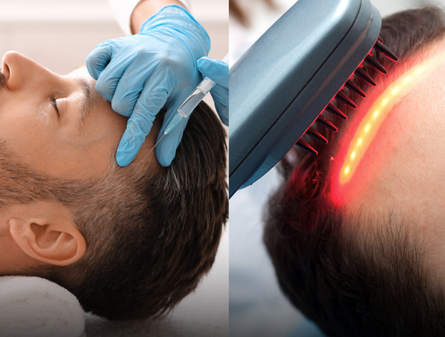
PRP vs Laser Therapy
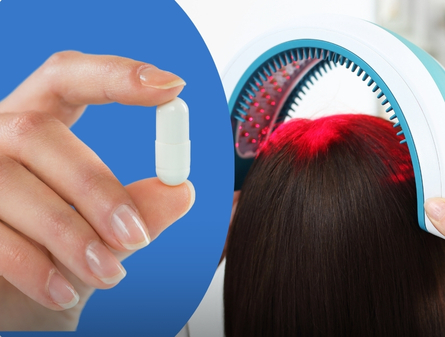
Minoxidil vs Laser Therapy
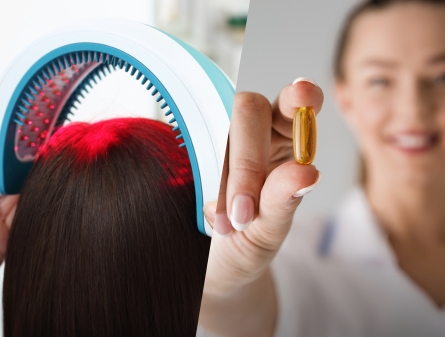
Laser Therapy vs Finasteride

Laser Therapy vs Hair Loss Shampoo

Laser Therapy vs Hair Vitamins

Hair Pills vs Laser Therapy
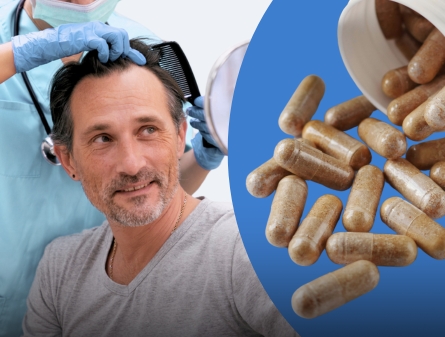
Laser Therapy vs Dutasteride
Not sure if Laser Therapy or another treatment is right for you?
Take our quick online quiz to receive personalised hair regrowth recommendations based on your unique hair type, goals, and concerns.
Take Our QuizHelpful Resources


Loved by people
“Been using it for 3 years, and couldn’t be happier”
Thanks to the support and expert advise of Hairy Hair I have not only saved the hair I had but also reclaimed my hairline. Took about a year for me to notice regrowth but now 3 years down the track I couldn’t be happier or confident thanks to the results.

Tahir - Melbourne
“Within 2 months I saw dramatic change
Truly blown away by this product. I almost reached a stage where I thought it was time to shave it all off! I wore a cap pretty much everyday, always self-conscious without it. A good friend of mine recommended Hairy Hair, I thought “why not” I’ll do it for 6 months and see what happens. The results are astounding. Within 2 months I saw a dramatic change. I still have hairs growing that I didn’t think were going to come back. Plus, I don’t lose hair in the shower anymore!! Bring on the next few months. Thank you, Hairy Hair!

Cam - Gold Coast
“Wow, awesome product”
All I can say is WOW awesome & a product that works. I won’t use anything else. Service is excellent & can see little hairs on my head it’s truly amazing, much appreciated.

Eagleone - Brisbane
Explore our full range of hair regrowth products
Shop NowFrequently Asked Questions
LLLT is also known as cold laser therapy since it doesn’t heat, cut or burn the tissue on the skin. This means it can penetrate the skin without causing damage to activate stem cells in the scalp so dormant follicles can be stimulated to encourage hair regrowth.
Laser hair removal uses lights at a higher power level and is a longer treatment. This is because it directly targets hair pigment and heats the skin, causing damage to the hair follicle in places where hair is unwanted. LLLT uses a lower wavelength of light to nudge hair follicles to enter the growth phase without causing damage.
You should look for how many diodes are on a device, the type of light source, comfort, ease of use, and warranties when looking for an at-home LLLT device. Check for approvals from regulatory bodies, such as the TGA, for safety and effectiveness.
The price of an LLLT device can vary depending on what kind of lights are used. Some devices have LEDs and laser lights, while others only use lasers. Lasers are more precise, which means they are more expensive. LEDs are a cheaper alternative that can cover a wider area, so it can be more appropriate for diffuse thinning.
LLLT shouldn’t be used if you take medications that cause light sensitivity. If you’re completely bald, it may not help to recover your lost hair. Some conditions can worsen with LLLT, such as active skin cancer or infections.
Clinical studies haven’t reported many common side effects from using LLLT on its own. You can still experience side effects from other treatments that are used in combination with LLLT. Some potential side effects include redness or swelling, but these are rare. You should also avoid prolonged exposure to your eyes during clinical sessions.


