

 Call Us : 1300 800 564
Transform Your Hair Loss with a Hair Transplant
Rediscover fuller hair by relocating healthy follicles to thinning areas for natural, lasting results.

What is a Hair Transplant?

Overview of the Treatment
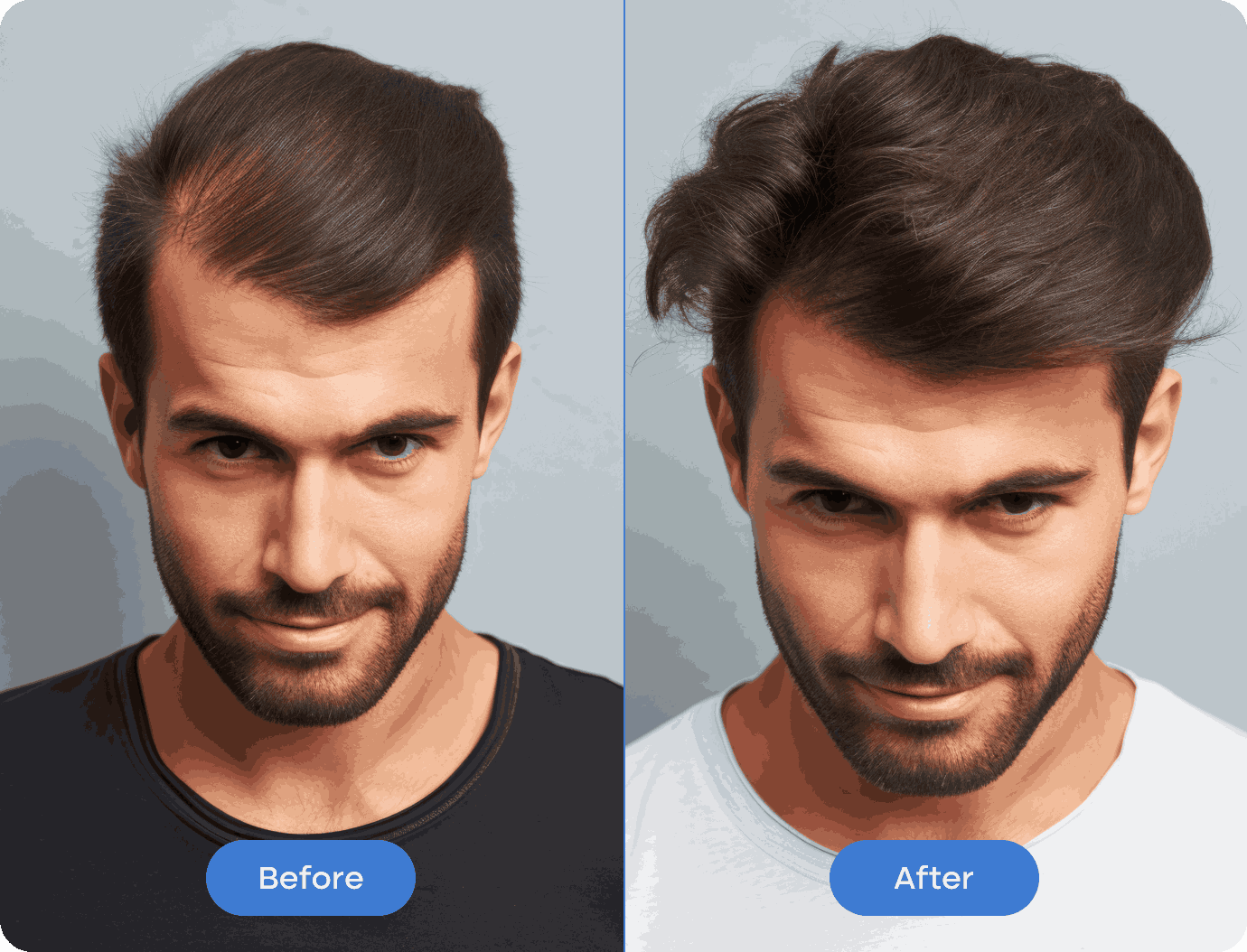
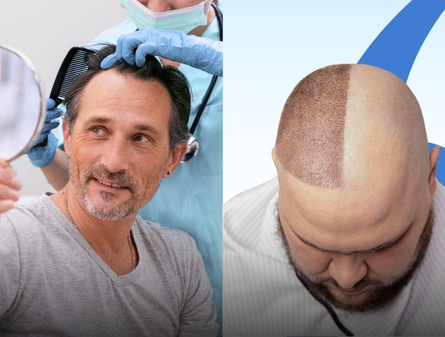
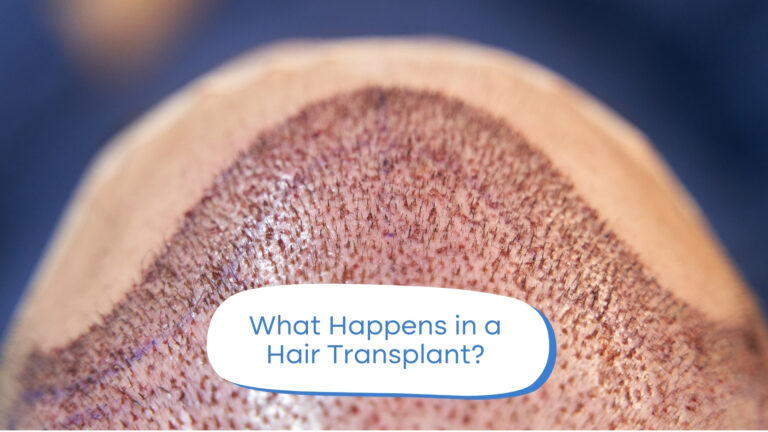
A hair transplant is a surgery that involves taking healthy hair from a donor area, usually at the back of your head, and implanting it into thinning or balding areas. Once the grafts have had a chance to take root, they will grow in line with the rest of your hair.
How it Works?
Hair grafts are removed using a hole punch tool or by removing a thin strip of skin. Individual hair follicles are then implanted into the recipient area after small incisions are made on the scalp. Learn more.
Who It’s For?
Hair transplants are suitable for both men and women and can help with more advanced forms of hair loss as long as you have enough donor hair to get the desired results. Learn more.
Why Choose a Hair Transplant

High Success Rate
Studies have shown that transplanted grafts can have a survival rate of over 90%.

Single Procedure
For many people, they only need one surgery to get the results they want.

Long Term Results
Transplanted grafts can last for decades, making it a long-term treatment.

Target Different Areas
Hair transplants can help create a new hairline or fill in balding areas.
Natural Appearance
Once hair grafts have adapted to the growth cycle, they can create a natural appearance.
How does a Hair Transplant work?

Consultation
You’ll need to meet with a surgeon before the transplant to discuss how many grafts will be extracted and the desired results.
Step 1

Preparation
Before the transplant, your scalp is thoroughly cleaned.
Step 2
Anaesthetic
A local anaesthetic is used to numb the treatment areas so you don’t feel any pain.
Step 3
Extraction
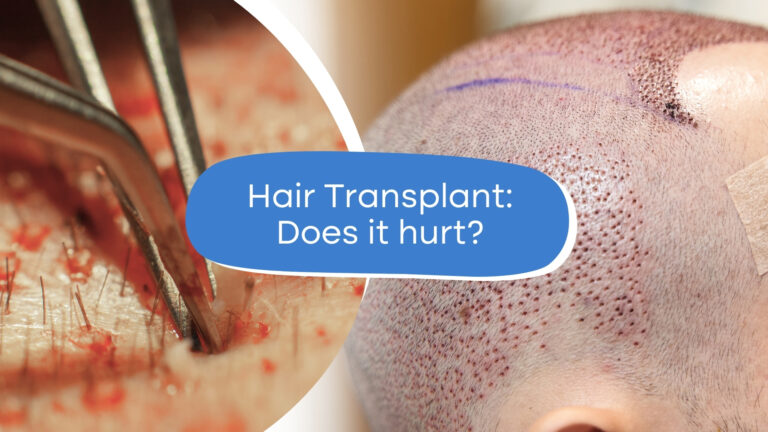
Grafts are extracted via a hole punch tool or from a small strip of skin.
Step 4
Implantation
Individual incisions are made in the natural direction of hair growth, and the grafts are implanted.
Step 5
Recovery
Your surgeon will give you advice on the recovery process, including when you can go back to your normal routine.
Step 6

Real Results from Therapy - Before and After

With Hairy Hair it is really easy to communicate, if there are any issues there is more understanding and solutions than I've experienced previously. I'm happy with the process and journey so far.

Eagleone
With Hairy Hair it is really easy to communicate, if there are any issues there is more understanding and solutions than I've experienced previously. I'm happy with the process and journey so far.
Cam
With Hairy Hair it is really easy to communicate, if there are any issues there is more understanding and solutions than I've experienced previously. I'm happy with the process and journey so far.
Tahir
Ultimate Guide to Hair Transplants
Explore our detailed page on hair transplantation, from average costs to safety and effectiveness.
- Difference in Methods
- Aftercare Procedures
- Consultation Advice
- Suitability of Treatment
Not sure if a Hair Transplant is right for you?
Compare with other treatments!
Laser Therapy vs Hair Transplant

Microneedling vs Hair Transplant
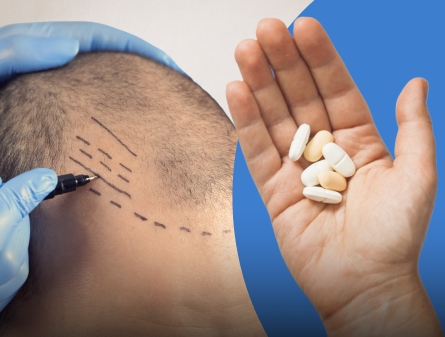
Hair Transplant vs Dutasteride

Hair Gummies vs Hair Transplant

Hair Pills vs Hair Transplant
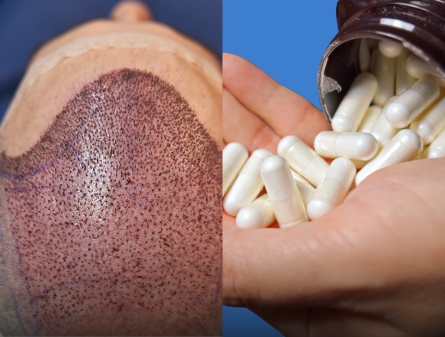
Hair Transplant vs Finasteride

Hair Transplant vs Hair Loss Shampoo

Hair Transplant vs Hair Vitamins
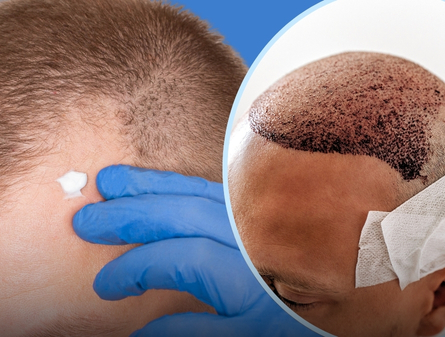
Minoxidil vs Hair Transplant
PEMF vs Hair Transplant

PRP vs Hair Transplant
Not sure if a Hair Transplant or another treatment is right for you?
Take our quick online quiz to receive personalised hair regrowth recommendations based on your unique hair type, goals, and concerns.
Take Our Quiz
Helpful Resources



Loved by people
“Been using it for 3 years, and couldn’t be happier”
Thanks to the support and expert advise of Hairy Hair I have not only saved the hair I had but also reclaimed my hairline. Took about a year for me to notice regrowth but now 3 years down the track I couldn’t be happier or confident thanks to the results.

Tahir - Melbourne
“Within 2 months I saw dramatic change
Truly blown away by this product. I almost reached a stage where I thought it was time to shave it all off! I wore a cap pretty much everyday, always self-conscious without it. A good friend of mine recommended Hairy Hair, I thought “why not” I’ll do it for 6 months and see what happens. The results are astounding. Within 2 months I saw a dramatic change. I still have hairs growing that I didn’t think were going to come back. Plus, I don’t lose hair in the shower anymore!! Bring on the next few months. Thank you, Hairy Hair!

Cam - Gold Coast
“Wow, awesome product”
All I can say is WOW awesome & a product that works. I won’t use anything else. Service is excellent & can see little hairs on my head it’s truly amazing, much appreciated.

Eagleone - Brisbane
Explore our full range of hair regrowth products
Shop NowFrequently Asked Questions
Follicular unit extraction (FUE) involves removing hair follicles from the donor area using a tool called a hole punch. Follicular unit transplantation (FUT) involves taking a small strip of skin from the scalp and taking the grafts from there. Both have their own pros and cons, with FUT being generally less expensive but resulting in a scar.
After your hair transplant, there is a recovery process that your surgeon will advise you on. It’s important not to interfere with the newly implanted grafts, especially in the first 10 days, as they can become dislodged. You may need to sleep in a sitting position for the initial few days, and scabs may form in the area of the transplant but will, in all likelihood, fall off by themselves.
Before your operation, you are not allowed to take medication like aspirin, blood thinners or anti-inflammatory medication. Other drugs can have a negative impact on your result, so it is definitely worth talking to your surgeon before your operation about what you are taking. Smoking, alcohol and caffeine intake need to be avoided before surgery.
After your hair transplant, you will need to wait at least 48 hours before washing your hair. Your surgeon will likely have some other advice on washing your scalp, but by this point, it is not as likely that you will dislodge your grafts from the recipient area. Be gentle and do not rub too hard so that your grafts are not dislodged.
The treatment is usually outpatient; that is, you can get it done in a day, usually 4-8 hours at a time, and you don’t need to stay overnight. But take time off for a week or two so that you can give your hair a chance to relax in a stress-free atmosphere. You can work from home if you can’t take time off work.
You may be offered another treatment in addition to your hair transplant based on the degree of baldness. Platelet-rich plasma (PRP) injections before your hair transplant will stimulate the donor area so that the grafts are encouraged prior to the surgery. After your procedure, medications like minoxidil or finasteride may stop you from losing more hair from aging.


