Call Us : 1300 800 564
Is Hair Transplant Surgery Permanent? Your Guide
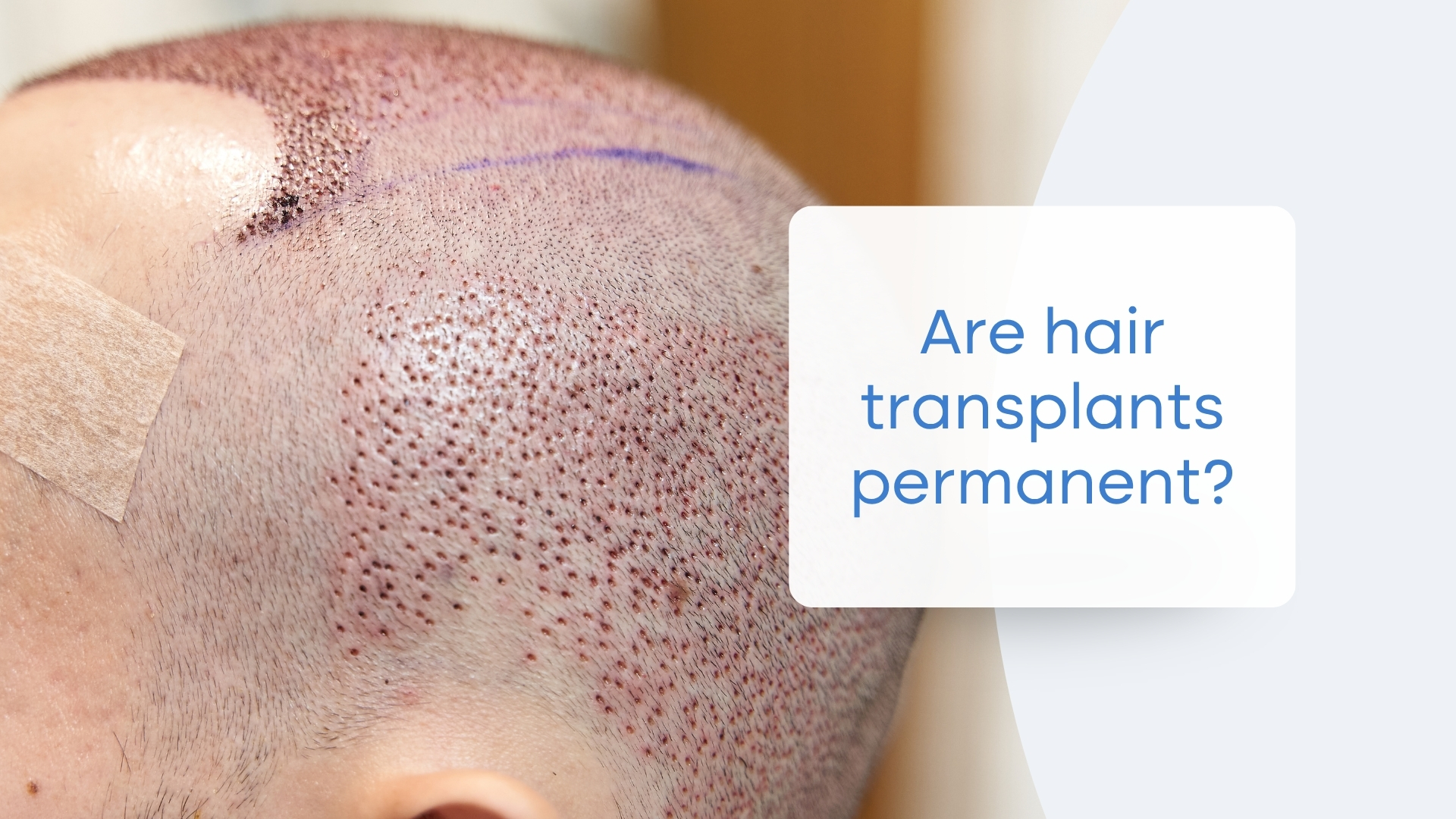

Hair transplant technology has advanced significantly since the early days of patchy, unnatural hair plugs and can be an effective hair loss treatment. The outpatient surgery involves using grafts from a donor area on your head and implanting them on an area where hair is thinning or balding.
While the results are considered to be permanent, they may not be a permanent solution to your wider hair loss issue. Hair transplant surgery can be expensive, time-consuming and requires a significant time for healing and recovery. Here we’ll take a look at what you should consider before getting a hair transplant and how you can potentially help to mitigate further hair loss with Hairy Hair.

Are hair transplants permanent?
Your skin will need some time to heal after the follicles are grafted into the recipient area. As part of the hair growth cycle, some of the transplanted hairs can fall out in the first three months following the surgery.
This is a normal process as the body reacts to the stress of the surgery. This kind of hair loss is known as telogen effluvium and is an expected reaction to hair transplantation. The initial hair shedding will subside so that the hair follicles can produce stronger and healthier strands.
Following this, it can take anywhere from 6 to 12 months for your scalp to fully heal. Once it is complete, the bald or thinning patches of hair will start to grow hair as normal. As your new hair grows in line with the rest of your non-transplanted strands, the implanted grafts may stop producing as much hair as they used to.
Will I need another hair transplant?
Depending on the extent of your hair loss, one procedure may not provide desirable results. Your hair transplant surgeon will discuss the possibility of multiple sessions during your consultation.
Some people will be happy with the initial result but may want to fill out further thinning spots later on. Getting the procedure done before you run out of donor hair is something that should be considered, however.
If you don’t have enough hair to extract, you won’t be able to fill large balding patches. Donor hair is typically taken from the sides or back of the head as it is more resistant to common types of hair loss such as pattern baldness. This is why the hair that is most likely to fall out is on the top or crown of your head.
What results can I expect in the long term?
The implanted grafts should be upheld in the long term. As you get older, the hair follicles are prone to thinning, but they will likely still produce hair. The hair surrounding the recipient site will still be subject to loss if your condition has not stabilised before you get the transplant. This usually happens by the age of 30, according to The Indian Journal of Plastic Surgery.
This can create an unnatural appearance between the transplanted hair and the non-transplanted hair. You may require supplemental treatment such as finasteride or minoxidil to help prevent further hair loss or the need for additional procedures.
Since there is a limit on how many times you can get a procedure if your donor area thins out, medication can help to prevent the need for additional surgeries that may not be a viable option as you age. The design of your hairline will also determine what kind of hairstyles can be achieved in the long run. If you choose a more mature hairline, then your hair will look more natural over time.
Your family history of hair loss should be considered when looking at whether you will need supplementary medication to prevent further balding. If you have family members who have gone completely bald, it is more likely that this will happen to you as well.
If this is the case, it may be better to wait and see how your hair loss progresses before committing to a surgical procedure. Alternatively, you can try to manage your hair loss at the first signs with preventative medications.
When should I see a doctor?
If hair loss is causing you concern about your appearance or if you experience other adverse issues that may be connected to your hair loss, you should see a doctor. Some medical conditions and medications have side effects that include hair loss.
It’s important to rule out other factors before you decide to get a hair restoration procedure. The doctor and clinic you choose to attend for the surgery should be thoroughly researched before you make any commitments.
During a consultation, you should know what kind of results you can expect from hair transplantation and understand the experience and expertise of the clinic and surgeon. Look at patient testimonials and before and after photos to get an idea of the quality of their work.

What can Hairy Hair do to help with my hair loss?
At Hairy Hair, we have a single daily pill to help you tackle your hair loss conveniently and discreetly. Our unique formula works to give your hair the chance to regrow.
The medication works as a vasodilator to help widen the blood vessels in your scalp so more nutrients and oxygen can reach your hair follicles. It also operates as a dihydrotestosterone (DHT) blocker. This is the hormone that causes your hair follicles to shrink and eventually fall out.
These are combined with natural ingredients that may help with keratin production, the protein that plays a key role in creating hair strands. By providing a comprehensive treatment that helps fight different hair loss issues, you can give your scalp the potential to recover growth and produce hair that is thicker and stronger.
To start your hair regrowth journey, you just need to fill in a brief hair loss questionnaire. Once one of our qualified Australian GPs has had a chance to review your information, they will create a personalised treatment plan tailored to your hair loss needs. Then, they’ll give you a ring to discuss your treatment and answer any questions you may have.
Finally, your prescription will be delivered straight to your door. With no clinic visits required, you can manage your hair loss treatment from the comfort of your home.
Conclusion: Is a hair transplant permanent?
A hair transplant can be an effective treatment option for visibly thinning hair. Since grafted hair will grow naturally after implanting into the scalp, it can produce results that are considered permanent. The initial result of your transplanted hair may not be the way it looks for the rest of your life.
Your transplanted follicles are likely to thin as you get older but should still produce hair over your lifetime. The surrounding hair may also still be subject to the effects of ageing and genetics, however. This means that one surgery may not be enough to create a natural result, or supplementary medications could be necessary to prevent future hair loss.
If you’re struggling with hair loss or looking to mitigate further hair loss after a transplant, contact Hairy Hair today. Our dedicated support team is on hand to guide you through the hair regrowth process and help you monitor your progress.
We can answer any questions you may have and provide support through this journey. Hair loss is unique to each person so choose a personalised treatment that works with your hair loss.
In This Article
Overview
Most Trending Articles